Introduction
The Broadband Equity, Access, and Deployment (BEAD) Program is a significant investment to expand high-speed internet access across underserved communities across the United States. As broadband providers scale fiber deployment to meet ambitious timelines and coverage targets, material selection plays an important role in supporting network performance.
Fiber optic cables must operate reliably across diverse environments, from urban infrastructure to remote outdoor installations. Engineered materials can enhance cable durability, safety, and installation efficiency, helping providers meet BEAD requirements while maintaining consistent performance over time.
The role of material technologies in fiber deployment
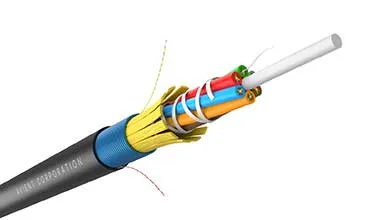
Fiber optic cables are engineered with multiple protective layers surrounding the optical fiber. Each layer uses material technologies that contribute to performance across key areas.
Engineered materials used in jacketing and insulation help protect against mechanical stress, moisture, UV exposure, and temperature changes across different installation environments. They also support compliance with fire safety requirements and can improve handling, flexibility, and installation efficiency.
Environmental protection
Exposure to moisture, UV radiation, and temperature variation can impact cable lifespan. Advanced materials support resistance to:
- Water ingress in underground and outdoor installations
- UV and weathering effects
- Chemical exposure in challenging environments
Mechanical performance
During installation, cables are subject to pulling, bending, and handling stress. Engineered materials help:
- Improve flexibility for easier routing
- Reduce risk of cracking or fatigue
- Maintain structural integrity under load
Fire performance and safety
Fire safety requirements are increasingly important in many broadband applications. Low-smoke, non-halogen (LSZH) material technologies can help:
- Reduce flame spread
- Minimize smoke generation
- Support compliance with relevant safety standards
Long-term durability
Broadband infrastructure is expected to perform reliably for decades. Material technologies contribute to:
- Resistance to environmental stress cracking
- Stability across wide temperature ranges
- Reduced degradation over time
Supporting BEAD deployment goals
The scale and speed of BEAD-funded projects place greater emphasis on installation efficiency and consistent performance. Material technologies can support broadband providers by:
- Improving installation efficiency through enhanced flexibility and processability
- Reducing the risk of damage during handling and deployment
- Supporting consistent performance across varied geographies
- Contributing to longer service life and lower maintenance needs
By aligning material performance with deployment demands, broadband providers can build networks that support both immediate rollout targets and long-term reliability expectations.
Conclusion
As fiber deployment accelerates under the BEAD Program, material selection remains an important consideration for network performance and longevity. Advanced materials help address environmental, mechanical, and safety challenges across a wide range of broadband applications.
Avient’s portfolio of solutions for wire and cable applications is developed to support these evolving demands of telecommunications infrastructure.
Explore how these materials can support broadband infrastructure development.
| Avient Solution | Material Characteristics |
|---|
| SwellCoat™ Water Blocking & Absorbing Yarn | - Water Blocking & Absorbing Yarn
- Rapid Absorption & Swelling Performance
- Lightweight & Flexible for Cable Integration
- Supports Cable Designs Aligned with IEC and Telecom Infrastructure Standards (EU/UK/Global)
|
| Fiber-Line™ Ripcords | - Developed to Rip Through Any Material, Including Steel Armor
- Lubricated for Easy Ripping & Colors Available for Easy Identification
- Durable across Cable Construction
- Designed for Global Cable Standards (e.g. IEC, Telcordia) across US, EU, and UK
|
| Fiber-Line™ Fiber Reinforced Polymer | - High-strength Composite Fiber Rods
- Excellent Stiffness-to-Weight Ratio·
- Corrosion-Resistant Alternative to Metal
- Supports Compliance with Telecom Cable Standards (IEC/Telcordia – Global)
|
| ECCOH™ Low Smoke and Fume Non-Halogen Formulations | - Wire & Cable Jacketing and Insulation
- Low Smoke and Low Fume Emissions in Fire Conditions
- Non-Halogen Flame Retardant Performance for Improved Safety
Typically Developed to Meet: - CPR (EU Construction Products Regulation – EN 50575)
- IEC 60754 / IEC 61034 (Low Smoke, Non-Halogen – EU/UK/Global)
- UL Flame Ratings Where Required (US)
|
| Syncure™ XLPE Cross-linkable Polyethylene Formulations | - Cross-Linkable Polyethylene for Thermal Stability
- Enhanced Mechanical Strength
- Suitable for Insulation and Jacketing Applications
Can Support Compliance with: - IEC Standards for Cable Insulation (EU/UK/Global)
- UL Standards for Wire and Cable (US)
- RoHS and REACH Requirements (EU/UK)
|